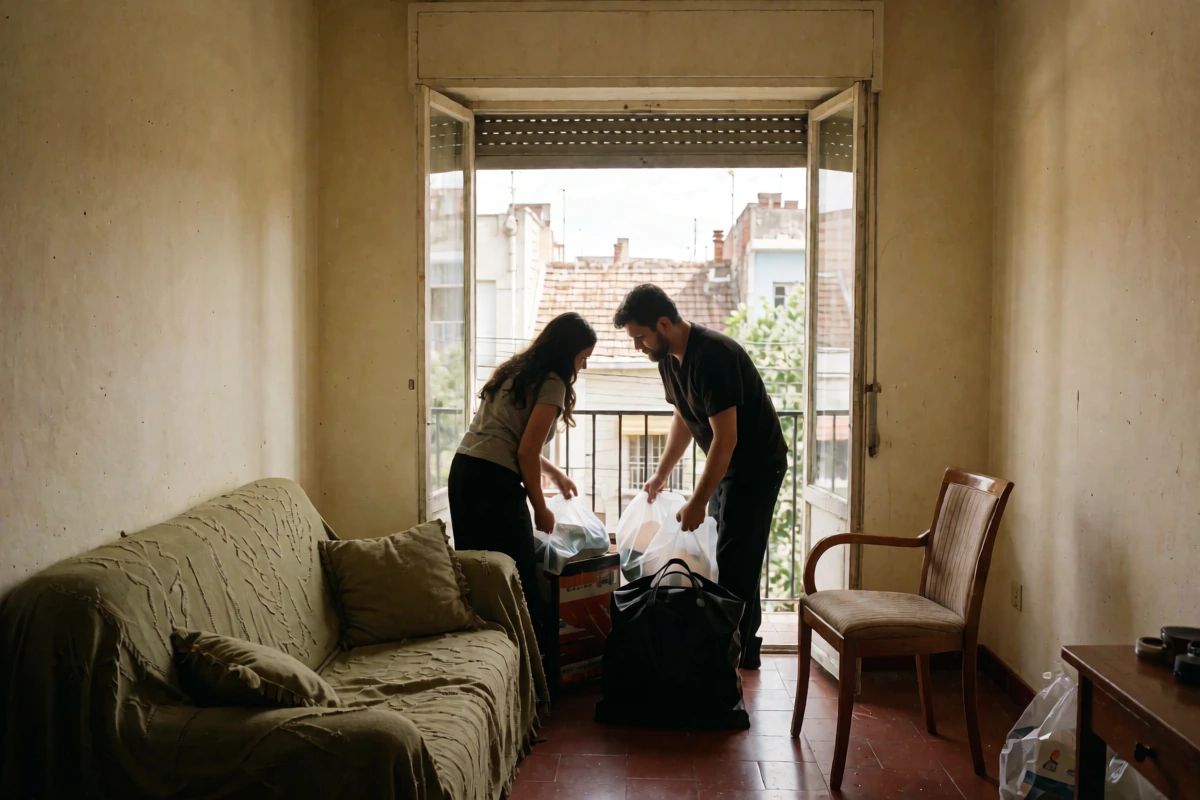
Define what the trial must answer
Choose five questions that matter to the move. They may concern neighbourhood fit, daily budget, internet, health access, school route, language, or work routine.
Set a start and end date that fits current visitor conditions. A trial is useful when it tests a decision, not when it becomes an unplanned long stay.
Book flexibility, not a conclusion
Use accommodation and transport that can change while you test the city. Confirm check-in, payment, cancellation, internet, safety, and emergency contacts.
Keep a return or onward plan where current entry rules require one. Ask an insurer about duration, activities, pre-existing conditions, and payment.
Observe a normal week
Track rent, food, transport, mobile service, healthcare, work hours, noise, errands, and time spent travelling. Speak with the actual school, clinic, landlord, or coworking provider you would use.
Record what was confirmed and what was only an impression. Do not use a short-stay price or holiday routine as a permanent budget.
The trial
Write the five questions the stay answered, the two it did not, and the source or provider that can resolve each one. Reopen entry and residence pages before extending or returning.
A trial stay does not guarantee work permission, residence, tax treatment, or insurance. Get individual advice if the next step changes the purpose or duration.
Turn observations into choices
At the end of the trial, compare your notes with the five questions you wrote before leaving. Identify the one fact that would change the city, budget, or status research, then verify it rather than smoothing it over.
A trial has value when it changes a decision or confirms it for a reason. Keep the next stay, lease, or application flexible until the open question is answered.
Decide from evidence
Compare the trial notes with the questions written before departure and identify what remains unverified.
Keep the next lease or status step reversible until that fact is answered.
A short stay can reveal practical facts while leaving the legal route unresolved. Treat observations as evidence for a city or budget decision, then ask the responsible authority about any change in purpose or duration. Keep the next commitment reversible.
Use the trial notes to decide, not to imply a legal permission that was never checked. Revisit entry, work, tax, insurance, and residence sources before extending the stay or signing a long lease.
The practical choice
Use a trial stay to test a city, routine, budget, housing, healthcare access, and language needs, while checking the current entry conditions for Canadian travellers. Keep the intended length and purpose clear. Entry as a visitor does not automatically allow work or residence, and a trial stay does not answer tax or long-term status questions.
What to test in the real setting
- Define what the trial tests
- Check visitor conditions
- Use flexible housing
- Separate observations from legal conclusions
Keep this information within reach
- Passport and dates
- Insurance and emergency contacts
- Flexible accommodation
- Future work and residence questions
What the first weeks can, and cannot, prove
A trial stay earns its value by testing a normal week against a defined decision. Choose questions about housing, transport, internet, food, healthcare, language, school, work routine, or payment access, and record what was confirmed by the actual provider rather than what felt convenient on holiday. Keep entry purpose, duration, insurance, accommodation, and onward plans within current rules. A short stay can inform a city or budget choice without answering residence, tax, work, or long-term insurance questions. Write what the visit proved, what it did not, and which source or provider owns the next decision before signing a lease.
Visitor periods, work boundaries, insurance, extensions, and residence routes can change. Confirm the current condition before extending a stay.
Sources for this decision
- Travel advice and advisories for ArgentinaGovernment of CanadaOpen official source
- ResidenciasDirección Nacional de MigracionesOpen official source
- Ministry of Health information portalArgentina.gob.arOpen official source
Questions worth resolving
Can I work during a trial stay?
Do not infer work permission from visitor entry or remote work practice. Check current rules for the proposed activity.
Can a trial become residence?
The route depends on category, evidence, location, and facts. Research residence separately.